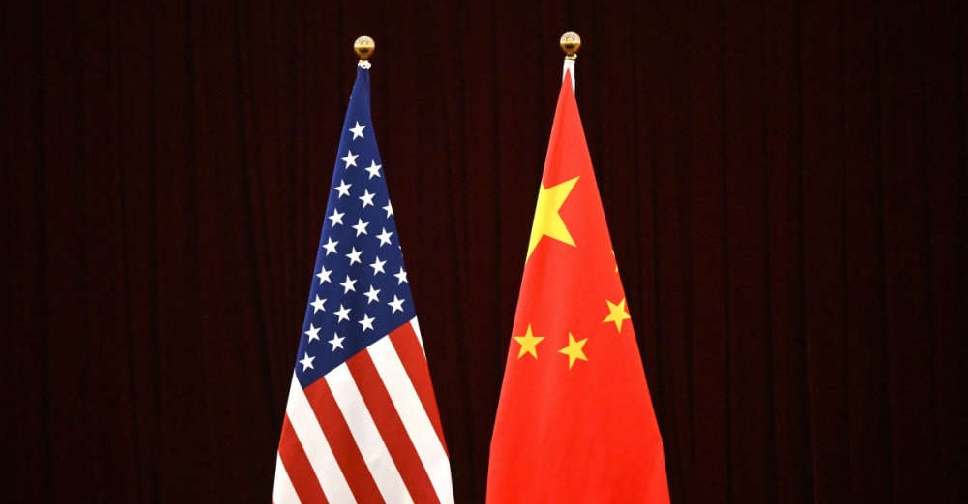
The United States and China resumed semi-official nuclear arms talks for the first time in five years, with Beijing's representatives telling US counterparts that they would not resort to atomic threats over Taiwan.
The Chinese representatives offered reassurances after their US interlocutors raised concerns that China might use, or threaten to use, nuclear weapons if it faced defeat in a conflict over Taiwan. Beijing views the democratically governed island as its territory, a claim rejected by the government in Taipei.
"They told the US side that they were absolutely convinced that they are able to prevail in a conventional fight over Taiwan without using nuclear weapons," said scholar David Santoro, the US organiser of the Track Two talks, the details of which are being reported by Reuters for the first time.
Participants in Track Two talks are generally former officials and academics who can speak with authority on their government's position, even if they are not directly involved with setting it. Government-to-government negotiations are known as Track One.
Washington was represented by about half a dozen delegates, including former officials and scholars at the two-day discussions, which took place in a Shanghai hotel conference room.
Beijing sent a delegation of scholars and analysts, which included several former People's Liberation Army officers.
A State Department spokesperson said in response to Reuters' questions that Track Two talks could be "beneficial". The department did not participate in the March meeting though it was aware of it, the spokesperson said.
Such discussions cannot replace formal negotiations "that require participants to speak authoritatively on issues that are often highly compartmentalized within (Chinese) government circles," the spokesperson said.
Members of the Chinese delegation and Beijing's defence ministry did not respond to requests for comment.

 SpaceX's Starship makes orbital debut but flight ends early
 UK police release five on bail after arrests at airbase
 Thousands huddle in Bangkok shelters as Thai flood damages seen at $320 mln
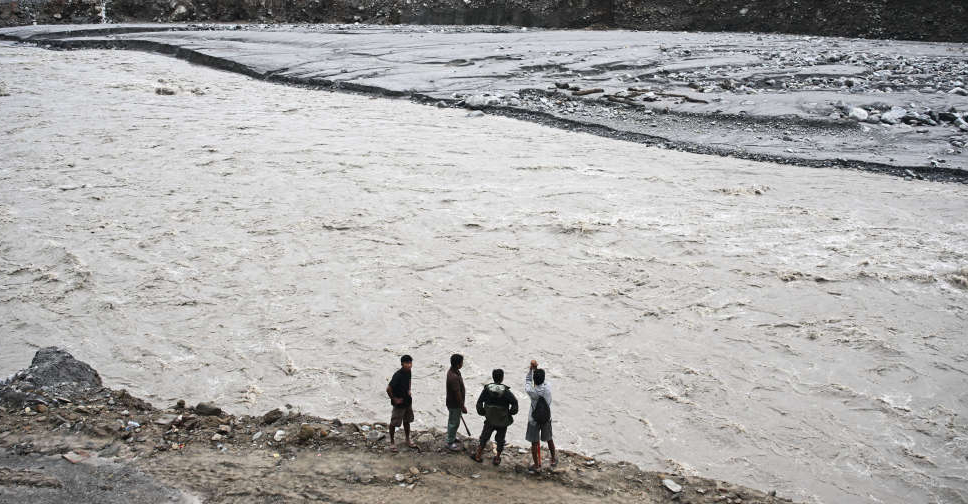 Floods, landslides kill 56 in India and 14 in Nepal